

Electrician course
Do you want to learn about electricity and become a qualified professional? Electrician courses offer the practical and theoretical training you need to master advanced techniques and secure your place in the job market.
Loading related searches
This article shows the most common mistakes made by those seeking to specialize in electricity, as well as how to avoid them and choose the best training for your professional profile. You will discover which skills really matter, how to structure your learning, and what pitfalls you should be aware of.
The Most Common Mistakes When Seeking Electrician Training
Many beginners make the mistake of choosing electrician courses based solely on the lowest price, without evaluating the quality of the content or the reputation of the institution. This type of hasty decision results in inadequate training, a lack of essential practical knowledge, and difficulty finding employment after completing the course. You should investigate references, the school's history, and student testimonials before enrolling.
Another common mistake is neglecting the importance of hands-on practice during studies. Many online electrician courses offer only theoretical material, leaving you without real-world experience with tools, equipment, and situations you will face in your daily professional life. Theory without practice creates insecure professionals who are ill-prepared to solve real electrical installation, maintenance, and repair problems.
Why Theoretical Training Should Be Complemented with Practice
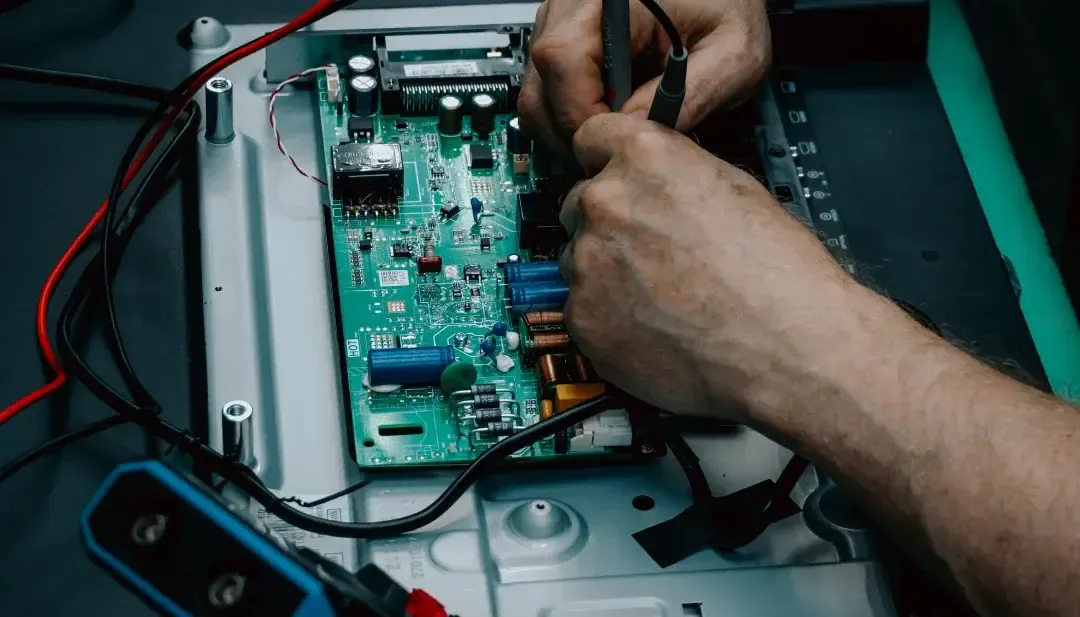
Electricity demands a deep understanding of circuits, safety standards, and technical procedures that you only fully absorb when you get your hands dirty. When you work with multimeters, make connections, identify faults, and solve practical problems, your brain creates connections between theory and real-world application. This accelerates your learning and increases your confidence when tackling increasingly complex projects.
Reputable institutions offer well-equipped laboratories, simulators, and learning environments that replicate professional scenarios. You will have the opportunity to verify concepts with your own eyes, make controlled mistakes and learn from them, transforming yourself into a resilient professional prepared for any challenge in the field.
Avoiding Gaps in Electrical Safety Knowledge
A critical mistake is underestimating the importance of rigorous safety training during your electrician courses. You work with high-voltage power, dangerous tools, and environments that can pose serious risks to your health and the health of others. Professionals who receive superficial training in safety protocols put lives at risk and face severe legal consequences.
Quality training courses dedicate considerable time to personal protective equipment, safe shutdown procedures, identification of electrical hazards, and first aid. You should demand that your training includes recognized safety certifications, such as NR-10 or equivalent, and ongoing review of these protocols. This investment in safety is non-negotiable and directly reflects on your professional longevity.
Choosing Between Complete Technical Training and Specializations
You might find yourself confused between basic electrician courses and advanced specializations, and make the mistake of skipping steps. A smart path begins with solid technical training in general electricity, covering basic residential, commercial, and industrial installations. Then, you can specialize in areas like solar panels, building automation, smart lighting systems, or electric motor maintenance, depending on your career ambitions.
Early specialization without a proper technical foundation leaves you vulnerable to knowledge gaps that compromise your performance. You need to master the fundamentals before seeking more specific and lucrative niches. This structured progression increases your chances of success and allows you to adapt flexibly to changes in the job market.
Recognizing Legitimate Courses and Avoiding Commercial Traps
The vocational training market is full of opportunists who promote electrician courses with false promises, such as "earn thousands in a few weeks" or "guaranteed certification without studying." These red flags indicate programs lacking credibility and that don't adequately prepare you. You should look for institutions with legal registration, partnerships with trade unions, and positive evaluations from regulatory bodies.
Check if the electrician course offers live classes, support from qualified tutors, and the possibility of practicing during the training. Be wary of platforms that only provide pre-recorded videos without interaction. The cost should be aligned with the course load, infrastructure offered, and access time to the material. You should also confirm if the certification is recognized by the market and if the institution offers support for job placement after completion.
Developing Skills Beyond Technical Skills During Your Training
A common mistake is focusing exclusively on technical skills while ignoring essential soft skills in today's market. You need to develop clear communication with clients, teamwork skills, quick problem-solving abilities, and time management. Modern electrician courses include modules on customer service, blueprint reading, and documentation, which significantly increase your employability.
Professionals who combine technical excellence with interpersonal skills secure better opportunities, command higher prices, and build longer, more fulfilling careers. You should also constantly seek to learn new technologies, as electricity evolves with automation and intelligent systems. Courses that offer continuing education and access to updates ensure you remain relevant and competitive throughout your career.
Structuring Your Learning for Maximum Benefit
You make a significant mistake in assuming that passively attending an electrician course is enough to master the profession. Effective learning requires active dedication: taking detailed notes, regularly reviewing content, practicing exercises beyond the required time, and questioning concepts you don't fully understand. Creating a personal study schedule, organizing your materials, and setting clear goals transforms you into an active and conscious learner.
Furthermore, connecting with classmates, participating in discussions, seeking mentorship from experienced professionals, and keeping up with industry trends enrich your training. You expand your professional network, discover job opportunities, and build relationships that can lead to future partnerships. This holistic approach ensures that you leave the electrician course not only with a certificate, but with solid knowledge and open doors in the job market.