

Guide to Finding an Osteoporosis Doctor
Osteoporosis, a condition of weakened bones prone to fractures, becomes more common with age, especially in post-menopausal women. Finding a specialized osteoporosis doctor ensures proper diagnosis, treatment, and management to maintain bone health and reduce complications.
Loading related searches
Several Types of Specialists for Osteoporosis
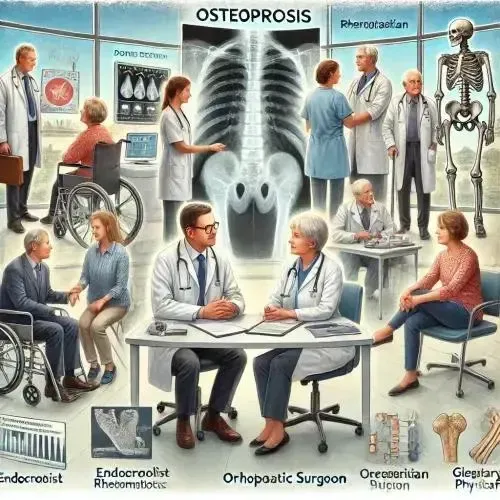
There are several types of doctors who specialize in treating osteoporosis, each bringing a unique perspective to the management of the condition. Endocrinologists specialize in hormonal imbalances and metabolic bone disorders, making them well-suited to address osteoporosis related to hormonal changes. Rheumatologists focus on musculoskeletal diseases and can provide treatment for osteoporosis, particularly when it is associated with other conditions like arthritis.
Orthopedic Surgeons and Osteoporosis
Orthopedic surgeons are specialists in the musculoskeletal system and can offer surgical solutions for fractures resulting from osteoporosis. They can assess bone density, provide preventive care, and recommend lifestyle changes or medications to strengthen bones. For patients who have already suffered fractures, orthopedic surgeons can help repair and rehabilitate bones to improve mobility and quality of life.
Geriatricians and Primary Care Physicians
Geriatricians specialize in the health care of older adults and can play a crucial role in diagnosing and managing osteoporosis in this population. They often work closely with patients to develop comprehensive treatment plans that address the specific needs of aging individuals. Primary care physicians (PCPs) can also diagnose osteoporosis and refer patients to specialists for further evaluation and treatment, serving as a central point of care coordination.
Finding an Osteoporosis Doctor Near You
When searching for an osteoporosis doctor in your area, it’s important to consider factors such as the doctor's experience, specialization, and patient reviews. You can start by asking for recommendations from your primary care physician or looking for specialists affiliated with reputable hospitals or medical centers. Online directories and health insurance provider networks can also be valuable resources for finding qualified osteoporosis specialists nearby.
What to Expect from Your Osteoporosis Specialist
Your osteoporosis doctor will begin by conducting a thorough evaluation, which may include a physical exam, bone density tests, and a review of your medical history. Based on these findings, they will develop a personalized treatment plan that may include medications, dietary recommendations, and lifestyle modifications to enhance bone health. Regular follow-up appointments will be necessary to monitor your progress, adjust treatment as needed, and ensure optimal bone health management. Finding the right osteoporosis doctor in your area is crucial for effective diagnosis and treatment of this condition. By understanding the different types of specialists available and what to expect from your care, you can take proactive steps to manage your osteoporosis and maintain strong, healthy bones.