

Top Affordable Senior Living Options to Consider for a Comfortable Retirement
As the cost of living rises, finding affordable senior housing has become a challenge for many retirees. However, viable and budget-friendly senior living options do exist—some starting as low as $249 per month. In this guide, we'll explore these must-see senior living options, discuss what makes them affordable, and highlight what you should look for when planning a cost-effective retirement.
Loading related searches
What Makes Senior Living More Affordable Today?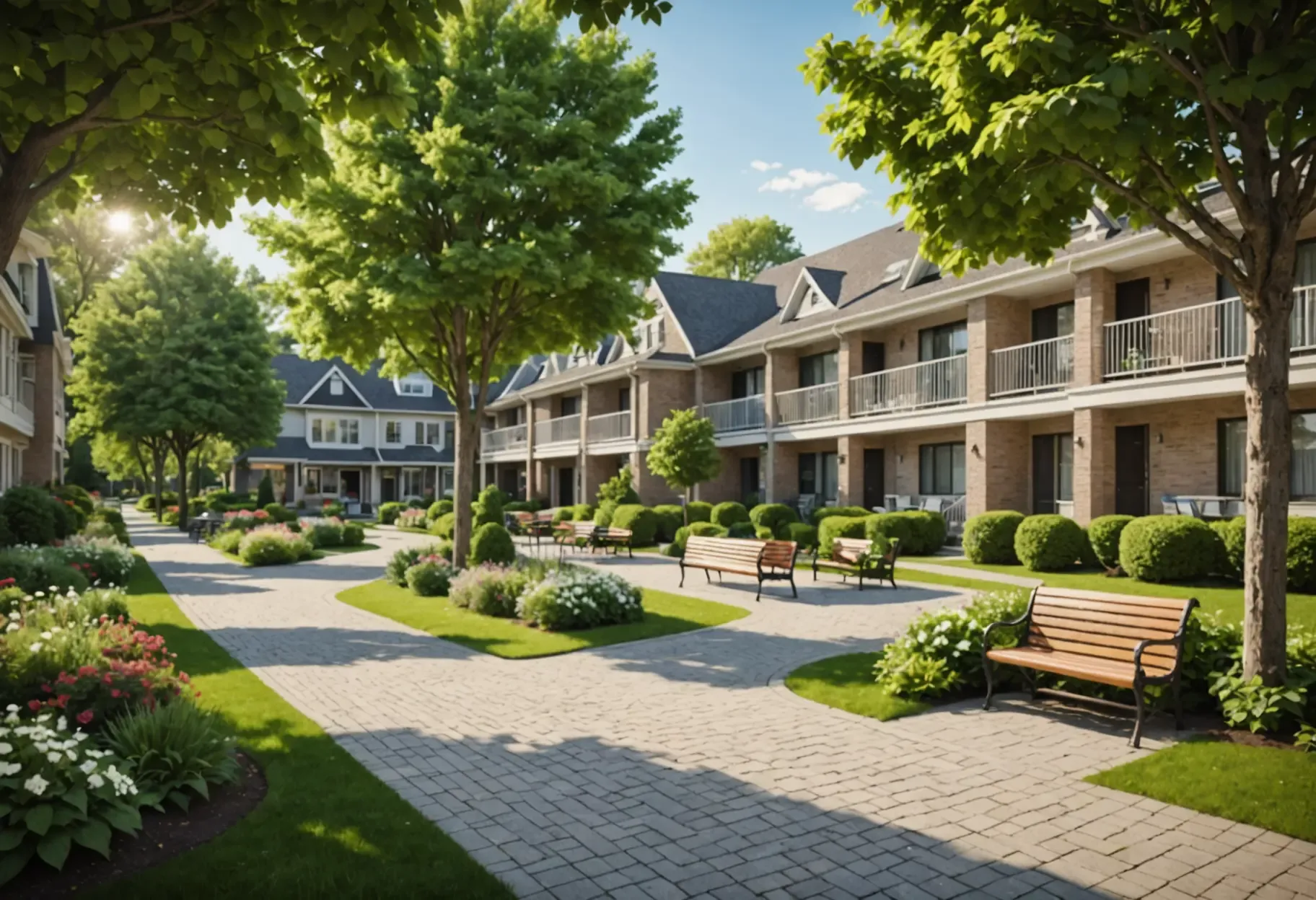
Rising concerns over housing affordability have encouraged both public and private sectors to develop more inclusive and accessible living arrangements for older adults. Developments such as subsidized housing programs, shared living communities, and modular housing offer alternatives to traditional facilities that often come with high price tags.
According to the National Council on Aging, many seniors qualify for housing assistance but are unaware of their options. Communities offering Senior Living Options for $249/month often work with local housing authorities and nonprofits to allocate units based on fixed income.
Additionally, lower-cost housing models are possible due to amenities scaled to essential needs—providing safety, accessibility, and community while omitting expensive extras. ReviewCity Plans
Key Features to Look for in Affordable Senior Living
While affordability is important, it’s equally crucial that the living environment promotes well-being and safety. When looking into Senior Living Options for $249/month, evaluate whether basic services and support are provided. Many affordable communities include:
- Accessibility features like handrails, ramps, and wide doorways
- Recreational activities and community engagement programs
- On-site or nearby assistance with daily living services (where applicable)
- Proximity to healthcare facilities and public transportation
- Utilities or maintenance costs included in the rent
According to a report from AARP, social engagement is a core factor in aging well, making community programs a valuable benefit. SupportCauses
Who Might Qualify for These Low-Cost Living Communities?
Not every affordable living option is open to all—many are income-restricted or part of government programs. Eligibility typically depends on factors like age, income level, and health needs. Low-income housing through HUD’s Section 202 program, for example, is tailored for seniors aged 62 and older who meet specific financial thresholds.
Additionally, local nonprofits often offer waitlists for apartment-style residences tailored to those on Social Security or small pensions. It's common to see listings advertising 'Senior Living Options for $249/month' in rural or smaller communities where the cost of living is lower.
Use resources like the U.S. Department of Housing and Urban Development (HUD) and elder care directories to begin your search. BrowseReference
Planning Financially for Senior Living
Affordability doesn’t just come down to rent—it’s about overall long-term financial planning. Seniors looking to move into budget-friendly housing should factor in future medical expenses, transportation, and general cost of living.
Creating a monthly budget and understanding what’s included in your housing cost can prevent financial strain later. For example, a listing that advertises Senior Living Options for $249/month may or may not include utilities, housekeeping, or meal plans. Always ask for a cost breakdown.
According to Fidelity Investments, an average retired couple could need over $300,000 for healthcare alone, which makes savings and budget discipline all the more important.