

NHS Dentist UK 2026: Everything You Need to Know About NHS Dental Care
Having a healthy smile doesn't have to be expensive. If you're wondering how to take care of your teeth without breaking the bank, there's some good news for you
Loading related searches
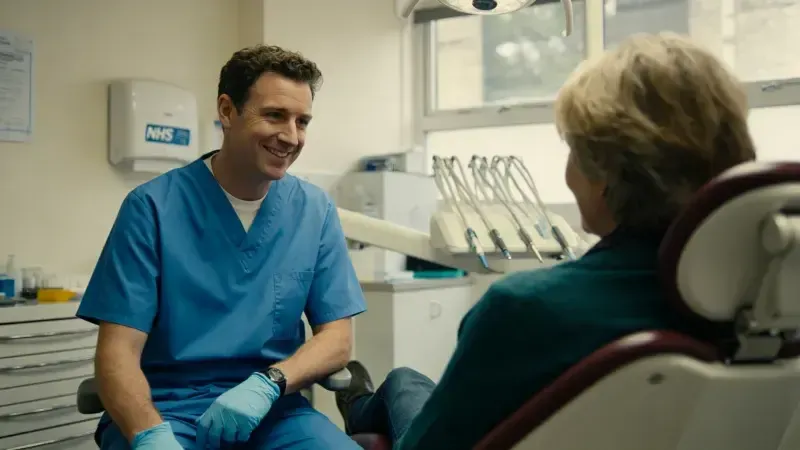
In the UK, the NHS provides access to high-quality dental care at subsidised prices. Many people don't realise what dental treatments they can get on the NHS. The system is designed to offer everyone basic dental care at an affordable cost.
But not all treatments are available on the NHS, and not every dentist accepts NHS patients. NHS dental care focuses on what's clinically necessary to keep your mouth, teeth and gums healthy. That doesn't mean you have to compromise on quality. NHS dentists follow the same strict standards as private practices.
In this article, you'll learn everything you need to know about NHS dentists in the UK: what treatments are covered, how to find an NHS dentist near you, how much you'll pay, and how to deal with waiting lists.
What Treatments Are Available on the NHS?
NHS dental care covers all treatment that's clinically necessary to keep your mouth, teeth and gums healthy. This includes:
Treatments that are always available on the NHS:
- Routine check-ups (usually every 6 months)
- Scale and polish (cleaning)
- Fillings for tooth decay
- Root canal treatment when needed
- Tooth extractions
- Emergency dental treatment
Treatments that are partially available:
- Dentures (false teeth) - available on the NHS at set prices
- Crowns and bridges - available on the NHS, but you have to pay the NHS charge
- Gum disease treatment
Treatments that are NOT available on the NHS:
- Teeth whitening / bleaching
- Porcelain veneers for cosmetic reasons
- Adult orthodontics (braces) - only available if clinically necessary
- Cosmetic improvements
It's important to know: if a treatment is clinically necessary, your dentist must provide it on the NHS. They can't refuse to give you treatment just because you're an NHS patient.
How Much Does NHS Dental Treatment Cost?
NHS dental charges are set nationally and are the same at every NHS dentist in England. The charges are split into three bands:
| Band | Treatment included | 2026 charge |
|---|---|---|
| Band 1 | Check-up, diagnosis, scale and polish, X-rays, advice on how to prevent future problems | £25.80 |
| Band 2 | Everything in Band 1, plus fillings, root canals, extractions | £70.70 |
| Band 3 | Everything in Bands 1 and 2, plus crowns, dentures, bridges | £306.80 |
You only pay one charge per course of treatment, no matter how many visits you need.
Who gets free NHS dental treatment?
You don't have to pay any NHS dental charges if you:
- Are under 18 (or under 19 and in full-time education)
- Are pregnant or had a baby in the last 12 months
- Are on certain benefits (Income Support, Universal Credit, Pension Credit)
- Have an NHS tax credit exemption certificate
- Are receiving NHS dental treatment while staying in hospital
How to Find an NHS Dentist Near You
Finding an NHS dentist in the UK can be tricky, because many practices have closed their books to new NHS patients. Here's how to find one:
1. NHS Website
The NHS website has an online tool to find NHS dentists near you. It shows which practices are accepting new NHS patients.
2. Call NHS 111
If you can't find a dentist online, call 111. They can help you find an NHS dentist taking new patients in your area.
3. Ask your local health authority
Your local NHS area team may have lists of dentists accepting new NHS patients.
4. Try nearby towns
If there are no NHS dentists in your immediate area, try dentists in nearby towns or cities.
Important: Don't just turn up at a dental practice. Always call first to check if they're accepting new NHS patients.
What if I Can't Find an NHS Dentist?
It's a common problem: many areas don't have enough NHS dentists accepting new patients. If you're struggling:
- Keep calling regularly - practices sometimes open their books when existing patients leave
- Ask to be put on a waiting list
- Ask for help from NHS 111
- If you're in pain, go to an emergency dental service - you'll always be seen, regardless of whether you're an NHS patient
If you have an urgent dental problem (like severe pain, swelling, or bleeding), you can get emergency NHS treatment even if you're not registered with an NHS dentist.
Private vs NHS Dentist
Many people wonder whether to go private or stay on the NHS. Here's a quick comparison:
| NHS Dentist | Private Dentist | |
|---|---|---|
| Cost | Set national charges (bands) | Prices vary, usually much more expensive |
| Treatments covered | Only clinically necessary | All treatments, including cosmetic |
| Waiting times | Can be long to register | Usually shorter appointments |
| Choice of materials | Limited to what's clinically acceptable | More choice (e.g. white fillings everywhere) |
| Appointment length | Shorter appointments | Usually longer, more relaxed |
Many people use a mix: get routine check-ups and basic treatment on the NHS, and pay privately for cosmetic treatments like whitening.
Making the Most of Your NHS Dental Visit
To get the best from your NHS dentist:
- Attend every check-up - don't wait until you have pain
- Ask about prevention - your dentist can give you advice on keeping your teeth healthy
- Ask what band you're on - make sure you're paying the right charge
- Tell your dentist if your circumstances change - you might qualify for free treatment
- Keep your details up to date - so you get reminded when it's time for your next check-up
Good dental care is about prevention, not just fixing problems when they hurt. Regular NHS check-ups help you avoid bigger, more expensive problems later on.
Conclusion
NHS dental care offers affordable, quality dental treatment for everyone in the UK. You don't have to go private to get good dental care.
The key is to find an NHS dentist who's accepting new patients, and attend regular check-ups. Prevention is always cheaper than cure, and NHS check-ups help you keep your teeth healthy for less.
If you're struggling to find an NHS dentist near you, keep trying, ask NHS 111 for help, and consider emergency services if you're in pain. With a bit of persistence, you'll find an NHS dentist that works for you