

Understanding Sperm Donation Today - How It Works and Why More Men Are Choosing to Donate
Sperm Donation Today: How the Process Works and Why More Men Are Considering It Sperm donation has been attracting a steadily larger audience in recent years. With an increasing number of families turning to fertility clinics for assistance, the need for healthy, dependable donors continues to grow across Europe. For plenty of men, becoming a donor offers a meaningful way to help others build a family while being compensated for the time and dedication it takes. The guide below outlines how the process genuinely works, who qualifies to participate, and what candidates can usually expect.
Loading related searches
What Sperm Donation Involves
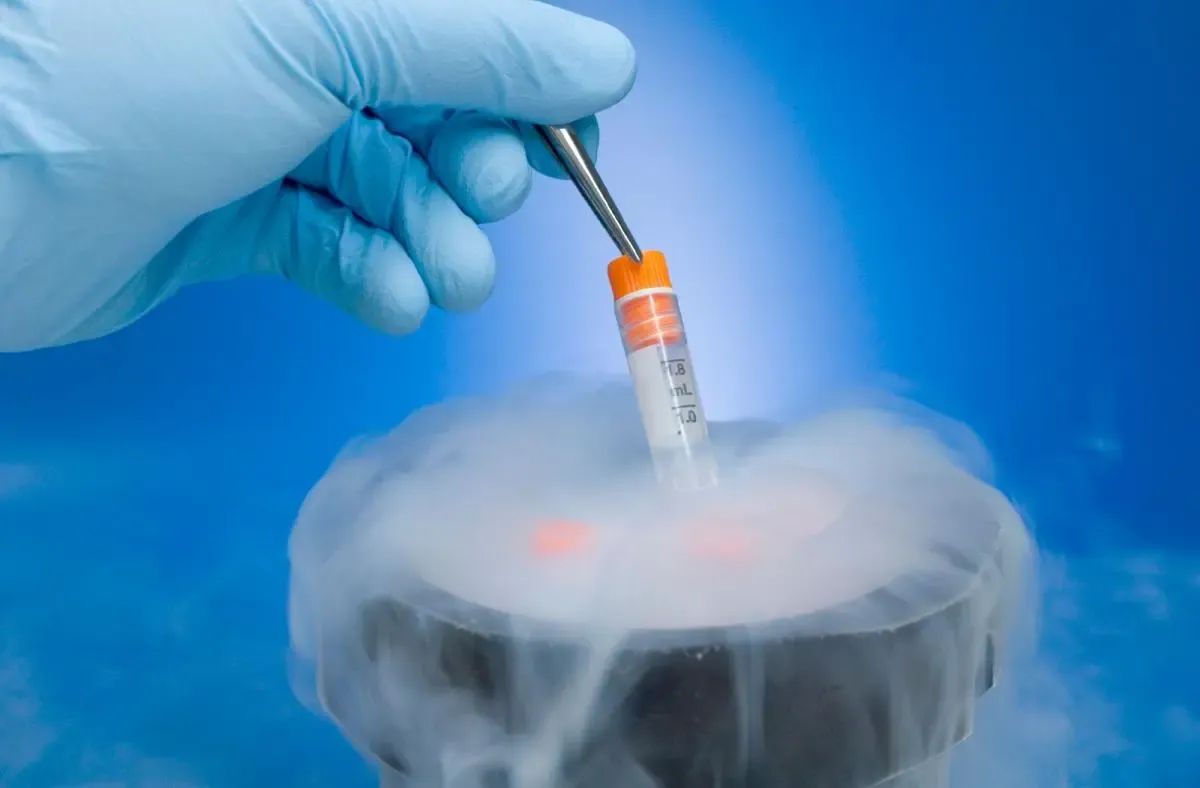
Sperm donation is a medical process managed by licensed fertility clinics and sperm banks. Donors provide samples that are screened, frozen, and later used to help individuals and couples who are unable to conceive naturally. Every clinic follows strict medical and legal standards, so the process is confidential, safe, and carefully monitored from start to finish.
 Most programs begin with a simple online application. If the initial details match the clinic's requirements, the applicant is invited for health screening and a short consultation. This step protects both the donor and the future families who rely on the program.
Who Can Become a Donor
Requirements vary between clinics, but most look for men who are generally healthy, within a certain age range, and willing to complete a medical screening. A basic health check, family history review, and lifestyle questions are usually part of the process. Applicants do not need previous experience — clinics guide every candidate through each stage and answer questions along the way.
How Compensation Works
Donors are typically compensated for their time, travel, and repeated visits rather than for the sample itself. The exact amount depends on the clinic, the country, and how frequently a donor takes part in the program. Some donors visit once a week, while others prefer a more flexible schedule that fits around work or study. Because programs run over several months, many participants view it as a steady and predictable form of extra income.
Confidentiality and Peace of Mind
Privacy is a central part of every reputable program. Personal information is handled securely, and clinics clearly explain the rules around anonymity in your region before you commit to anything. This transparency is one reason interest in donation continues to grow: applicants know exactly what to expect before taking the first step.
Visit frequency is agreed individually with the clinic and depends on the programme and on the participant's own schedule. In practice, donors attend around 4, 8 or up to 16 visits per month — roughly one visit a week at the lower end, and up to about four a week on the most intensive schedule. Because compensation is calculated per completed visit, a month with up to 16 visits corresponds to total compensation of up to approximately €850 per month, while lower frequencies correspond to proportionally smaller amounts. Frequency, amounts and payment structure are informational: they differ between clinics and are confirmed before participation begins.
Getting Started
For anyone curious about the process, the easiest first step is to check the current requirements and compensation details for programs operating in their area. A short online form is usually enough to find out whether you qualify, with no obligation to continue. From there, the clinic handles the rest — screening, scheduling, and clear guidance at every stage.
Sperm donation remains one of the more straightforward ways to support families in need while being fairly compensated for the commitment involved. Understanding the process is the best way to decide whether it is the right fit for you.